

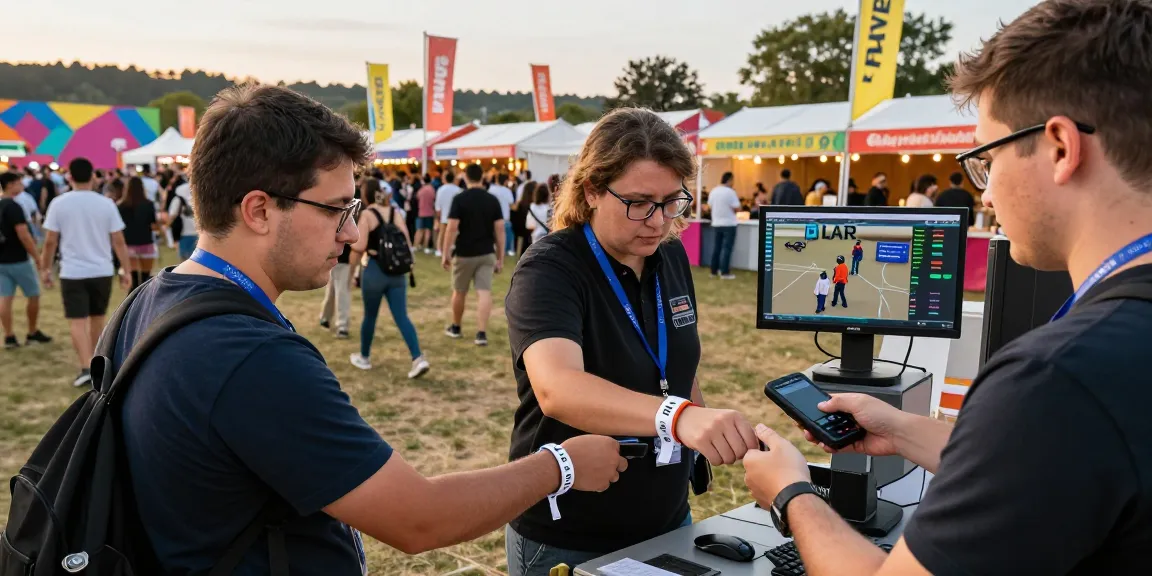
Understanding Control de Acceso con Pulseras
Managing large crowds while ensuring a seamless experience for attendees is one of the key challenges faced by event organizers today. The advent of NFC (Near Field Communication) wristbands has revolutionized the way access control is implemented at events. By utilizing this advanced technology, event planners can not only streamline entry processes but also enhance overall event efficiency. When exploring options, control de acceso con pulseras offers innovative solutions tailored for both small gatherings and large festivals alike.
What Are NFC Wristbands and How Do They Work?
NFC wristbands are wearable smart devices embedded with radio frequency identification (RFID) technology. These wristbands enable short-range communication with NFC readers to facilitate various functions such as entry management, cashless payments, and attendee tracking. Typically made from durable materials, they can withstand wear and tear throughout an event, making them a reliable solution for access control.
The technology behind NFC wristbands allows for quick data exchange by simply bringing the wristband close to a reader. This interaction is incredibly fast, often taking less than a second, which is crucial for keeping entry lines moving smoothly and efficiently.
Benefits of Using NFC for Event Access Control
Implementing NFC wristbands for access control brings numerous advantages for event organizers:
- Speed and Efficiency: With the ability to scan over 2,000 wristbands per hour, NFC wristbands drastically reduce wait times at entry points, ensuring that attendees can swiftly enjoy the event.
- Enhanced Security: NFC technology offers secure data transmission, making it difficult for unauthorized access. Additionally, wristbands can be deactivated if lost or stolen.
- Real-Time Monitoring: Event organizers can monitor entry and exit points in real-time, allowing for better crowd management and safety protocols.
- Cashless Transactions: NFC wristbands can be linked to payment systems, enabling cashless transactions that improve efficiency and increase sales at merchandise stands and food vendors.
Key Technologies Behind Cashless Payment Systems
The intersection of NFC technology and cashless transactions has transformed how financial exchanges occur at events. Cashless payment systems linked to NFC wristbands typically involve a centralized management system that tracks spending and balances. This allows attendees to enjoy a seamless experience without the hassle of carrying cash or cards.
These systems often incorporate cloud-based analytics, providing organizers with crucial insights into consumer behavior and preferences, ultimately assisting in enhancing the overall event experience.
Common Challenges in Implementing NFC Access Control
While the benefits of NFC wristbands are significant, there are challenges associated with implementing this technology at events. Understanding and preparing for these challenges can help ensure a smooth integration process.
Technical Hurdles in Setup and Maintenance
Setting up NFC access control systems requires a robust infrastructure, including reliable internet connectivity, server management, and a thorough understanding of the technology. Organizers must ensure that they have the necessary technical support during setup and throughout the event to address any potential issues swiftly.
Overcoming Resistance from Attendees and Staff
Some attendees may initially resist using NFC wristbands due to unfamiliarity or privacy concerns. It’s essential for event organizers to communicate the benefits clearly, providing educational materials and demonstrations during the lead-up to the event.
Addressing Privacy and Security Concerns
Privacy is a significant concern when it comes to using wearable technology like NFC wristbands. Organizers must ensure that they comply with data protection regulations, providing transparency on how attendee information will be used and stored. Implementing robust security measures is also vital to build trust among attendees.
Best Practices for Maximizing Event Efficiency
To leverage the full potential of NFC wristbands, event organizers should follow best practices in their implementation:
Optimizing Entry Points and Access Zones
Designing multiple entry points with strategically placed NFC readers can alleviate congestion, especially at larger events. Clear signage and staff guidance can further enhance the smooth flow of attendees. Consider creating dedicated access zones for VIP or differently-abled attendees to ensure inclusivity.
Real-Time Monitoring and Data Analytics
Utilizing a centralized cloud management system allows event organizers to monitor attendance trends, understand crowd density, and adjust operations in real-time. This data is invaluable for making informed decisions that can impact the overall success of the event.
Integrating Cashless Options with High-Volume Traffic
During peak times, ensure that enough wristband readers are available at various points across the venue. Implementing a pre-loading or automatic recharge system for wristbands can also facilitate quicker transactions, significantly reducing wait times at vendors.
Case Studies: Successful Implementations of NFC Wristbands
Real-life examples illustrate the effectiveness of NFC wristbands in enhancing event management and attendee satisfaction.
SoundWave Festival: A Seamless Experience
At the SoundWave Festival, organizers implemented NFC wristbands for entry and cashless payments, successfully managing the entry of 40,000 attendees without any significant delays. The feedback from both attendees and staff highlighted the remarkable efficiency and enhanced experience provided by the system.
TechCon Global: Enhancing Vendor Management
TechCon Global utilized NFC wristbands not only for access control but also for managing vendor operations. With real-time reporting, vendor sales were tracked through the wristbands, significantly reducing the time spent on post-event reconciliation.
Smaller Events: Custom Solutions for Unique Needs
NFC wristbands are not just for large festivals. Smaller events benefit from custom solutions designed to meet their specific requirements, such as simpler access management systems or integrated cashless functionality for reduced operational strain.
Future Trends in Event Management Technology for 2026
As technology continues to evolve, event management is poised to embrace innovative trends that will further enhance attendee experiences and operational efficiency.
The Rise of Biometric Verification at Events
Future events may incorporate biometric verification alongside NFC wristbands to bolster security and enhance access control measures. This advancement offers an additional layer of security, ensuring only authorized individuals gain entry.
Integrating AI in Event Management Systems
Artificial Intelligence (AI) is set to play a crucial role in streamlining event management. From predictive analytics for attendee behavior to automating customer service inquiries, AI can significantly improve operational efficiency.
Emerging Technologies for Enhanced Attendee Experiences
Virtual reality (VR) and augmented reality (AR) are expected to become more integrated within the event experience, providing unique ways for attendees to engage with the event content and other participants. These technologies can complement NFC wristbands, offering interactive experiences that pique attendee interest.
What Are the Benefits of NFC Wristbands for Event Safety?
NFC wristbands contribute to several safety aspects at events, including helping to trace contacts in case of emergencies and managing crowd density through real-time data monitoring. By facilitating quick access to emergency services, these wristbands can enhance overall safety and preparedness.
How Can Real-Time Data Analytics Improve Event Management?
Real-time data analytics provide insights into attendee flow and behavior patterns, enabling organizers to make timely decisions that optimize the event experience. This analytical approach can show which areas of the venue are overcrowded and allow for real-time adjustments to alleviate congestion.
What Should Event Organizers Look for in NFC Solutions?
When selecting NFC solutions, organizers should consider factors such as scalability, user-friendliness, customer support, and integration capabilities with existing systems. These attributes are essential for ensuring that the technology meets both the operational needs and enhances the attendee experience.
How to Choose the Right Provider for NFC Services?
Selecting the right provider involves evaluating their past implementations, customer support, and the adaptability of their technology to various event types. Organizers should seek testimonials or case studies that demonstrate the provider’s capability in delivering successful NFC solutions.
How Do NFC Wristbands Work with Cashless Transactions?
NFC wristbands can be linked to a digital wallet that allows attendees to preload funds before the event, ensuring a speedy checkout process. Each transaction is securely transmitted to the centralized management system for tracking and analysis.
What Are the Key Trends in Technology for 2026’s Events?
2026 will see a greater focus on personalization and customization in event technology, as organizers seek to tailor experiences to individual attendee preferences. The introduction of AI-driven matchmaking systems may also become commonplace, enhancing networking opportunities.