
Understanding the Importance of CNC Press Brakes in Manufacturing
CNC press brakes play a crucial role in modern manufacturing processes, providing the precision and efficiency necessary for creating complex metal components. As industries evolve and demand for customization increases, the ability to conduct accurate and repeatable machining becomes indispensable. CNC press brakes, particularly from leading manufacturers, ensure high-quality production while minimizing waste and enhancing safety.best cnc press brake factory offer advanced technology solutions that further streamline bending operations.
Technological Overview of CNC Press Brakes
CNC press brakes utilize advanced computer numerical control (CNC) systems to precisely position and bend materials, leveraging hydraulic and servo systems. These machines consist of a bed, a ram, and a tool, which allows for the bending of metal sheets into various shapes. The integration of electronic controls provides real-time feedback and adjustments, ensuring the utmost accuracy during each operation.
Types of CNC Press Brakes: Features and Benefits
Manufacturers typically have a range of choices regarding CNC press brakes, including hydraulic, electric, and hybrid models. Hydraulic press brakes dominate the market due to their powerful capabilities and efficiency in handling heavy sheets. Electric press brakes, on the other hand, are valued for their energy efficiency and lower operating costs. Hybrid models combine the strengths of both types, offering flexibility without sacrificing performance.
- Hydraulic Press Brakes: Known for their high bending force, they often accommodate thick materials and heavier workloads.
- Electric Press Brakes: These machines reduce energy consumption and operational costs while providing high accuracy.
- Hybrid Press Brakes: They maximize both efficiency and force, suitable for versatile manufacturing needs.
The Role of Automation in CNC Press Braking
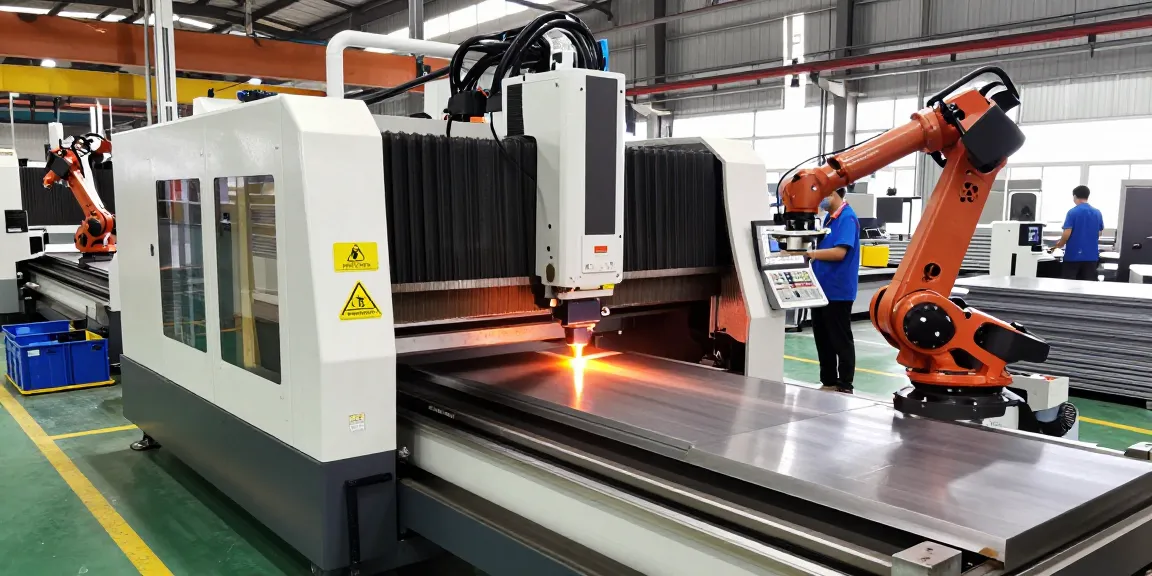
The automation of CNC press brakes has revolutionized the manufacturing landscape. Integrated robotic systems facilitate complex bending tasks and can operate at a high speed with minimal human involvement. This automation not only improves production rates but also significantly reduces the risk of human error, resulting in enhanced safety and operational reliability.
Key Features to Look for in a CNC Press Brake
Precision Control: Enhancing Accuracy and Efficiency
Precision is the hallmark of any successful CNC press brake. Features such as high-resolution encoders and advanced control systems allow for meticulous adjustments during the bending process. Modern machines can achieve tolerances within ±0.01mm, making them indispensable for applications requiring exact specifications.
Hydraulic vs. Electric Press Brakes: Which Is Better?
The decision between hydraulic and electric press brakes often hinges on specific manufacturing needs. Hydraulic press brakes excel in heavy-duty applications where significant force is required for thick materials. In contrast, electric press brakes shine in environments where energy efficiency and maintenance costs are prioritized.
Safety Features in Modern CNC Machinery
As with any machinery, safety remains a predominant concern with CNC press brakes. Contemporary models incorporate several safety features, including light curtain sensors, emergency stop buttons, and guarding systems to protect operators from potential hazards. Additionally, rigorous training and adherence to safety protocols are essential for ensuring a secure working environment.
Comparing Manufacturers: What Sets the Best CNC Press Brake Factory Apart?
Quality Assurance Processes in CNC Production
Top-tier factories employ strict quality assurance processes, ensuring that every machine meets international standards. This includes regular inspections throughout the manufacturing process, from sourcing materials to final assembly. Establishing certifications such as ISO9001 can also reflect a manufacturer’s commitment to quality.
Customer Support and Service Offerings
A reputable CNC press brake manufacturer offers comprehensive customer support, including installation training, troubleshooting, and accessible maintenance services. Support should extend beyond the sale, fostering long-term relationships with customers and providing assurance that any issues can be swiftly addressed.
Warranty and Maintenance Considerations
Warranties play a significant role in the purchasing decision. Leading manufacturers typically offer multi-year warranties that cover parts and service, illustrating confidence in their products. Regular maintenance schedules and accessible service options further enhance a manufacturer’s appeal, ensuring machines remain operational and effective over their lifespan.
Cost-Benefit Analysis of High-Quality CNC Press Brakes
Initial Investment vs. Long-term Value
While the initial cost of a high-quality CNC press brake can be substantial, the long-term benefits often justify this investment. Machines that deliver superior performance can greatly increase productivity, reduce material waste, and yield a robust return on investment over time.
Operational Efficiency and Energy Savings
Efficiency is at the core of quality CNC press brakes. The operational features indicate a balance of speed and precision, which contributes to significant energy savings. Electric models particularly stand out in energy consumption, aiding manufacturers in reducing their overall operational footprint.
Impact on Production Capacity and Flexibility
A modern CNC press brake enhances production capacity, allowing manufacturers to handle diverse projects. With programmable settings and automation capabilities, these machines offer exceptional flexibility, adapting seamlessly to evolving production demands.
The Future of CNC Technology and Its Trends
Integration with AI and Machine Learning
As CNC technologies evolve, the integration of artificial intelligence (AI) offers transformative potential. Advanced AI can enhance predictive maintenance, optimize machining processes, and increase production efficiency by utilizing real-time data analytics. Machine learning algorithms will enable machines to improve their operational parameters autonomously over time.
Preparing for Industry 4.0: Smart Manufacturing Solutions
Industry 4.0 signifies the intersection of automation, data exchange, and smart technologies. In this landscape, CNC presses equipped with IoT capabilities can communicate with other machinery, ensuring seamless production workflows. Such interconnectedness enhances decision-making and allows for faster responses to market shifts.
Emerging Trends in CNC Technology for 2026
As we move towards 2026, noteworthy trends will continue to shape the CNC press brake landscape. Increased emphasis on sustainability will drive the production of energy-efficient machines and eco-friendly manufacturing practices. Additionally, the rise of customizable and modular approaches to machine design allows for greater adaptability and ease of upgrades in alignment with technological advancements.
FAQs about CNC Press Brakes
What types of materials can CNC press brakes handle?
CNC press brakes are versatile and can bend various metal materials, including steel, aluminum, copper, and titanium. The capability to handle different materials efficiently contributes to their widespread adoption across multiple industries.
How do I choose the right CNC press brake for my needs?
Choosing the right CNC press brake involves considering factors like material thickness, bending angle requirements, and overall production volume. Consulting with manufacturers can help in identifying the appropriate specifications to meet operational needs.
What maintenance is required for CNC press brake machines?
Regular maintenance for CNC press brakes includes lubrication of moving parts, inspections of hydraulic systems, and software updates to ensure optimal performance. Establishing a maintenance schedule minimizes downtime and prolongs machine longevity.